History doesn't repeat itself, but it certainly operates on a consistent set of mechanics. We can look back at 1453 when Sultan Mehmed II conquered Constantinople. By choking the legacy trade monopolies of Venice and Genoa and imposing aggressive new customs and maritime laws, he didn't stop tradehe altered its economics. He changed the "place value" of the entire Mediterranean grid. He forced Western Europe to realize that remaining dependent on a pipeline controlled by a single adversary was a critical strategic vulnerability. That pressure event is precisely what forced the Spanish and Portuguese crowns to fund high-risk, high-reward oceanic expeditions, inadvertently charting the Atlantic and stumbling into the Americas.
Today, we are watching a remarkably similar geoeconomic chess match unfold. For years, the United States has used its absolute control over the SWIFT banking network and the US dollar as a geopolitical hammer. And just like the Europeans under Sultan Mehmed II, global challengers have spent years trying to build an alternative trade architecture to escape that pressurewhether through Project mBridge or the expansion of a multipolar BRICS digital settlement network. Will Global Challengers explore new America? Maybe. Maybe not.
Here is where the analogy splits, and where the sheer inertia of the modern financial grid comes into play: I do not believe mBridge or BRICS will ultimately succeed in unseating the dollar.
The Unyielding Inertia of Capital
It is easy to hype up alternative digital currencies, but the reality is built on hard data. Globally, nearly half of all foreign exchange assets are stored in US dollars, and the greenback remains anchored in over 80% of international trade settlements. Unseating a currency with that level of deep liquidity, structural trust, and institutional network effect isn't just a matter of launching a new software platform. It is like trying to rewrite the foundational code of the internet while the entire global population is actively using it.
Projects like mBridge will undoubtedly disrupt legacy dollar mechanisms, causing temporary friction. But when the dust settles, the United States' digital architecture driven by the massive liquidity of USD-backed stablecoins and institutional settlement systems like FedNow is positioned to remain dominant.
Why? Because the US understands that you don't win the digital currency war by inventing a brand-new token. You win it by ensuring that whatever digital rails the world builds are ultimately cleared through, backed by, and pegged to US dollar liquidity.
The Real Subtext of the Swiss Treaty
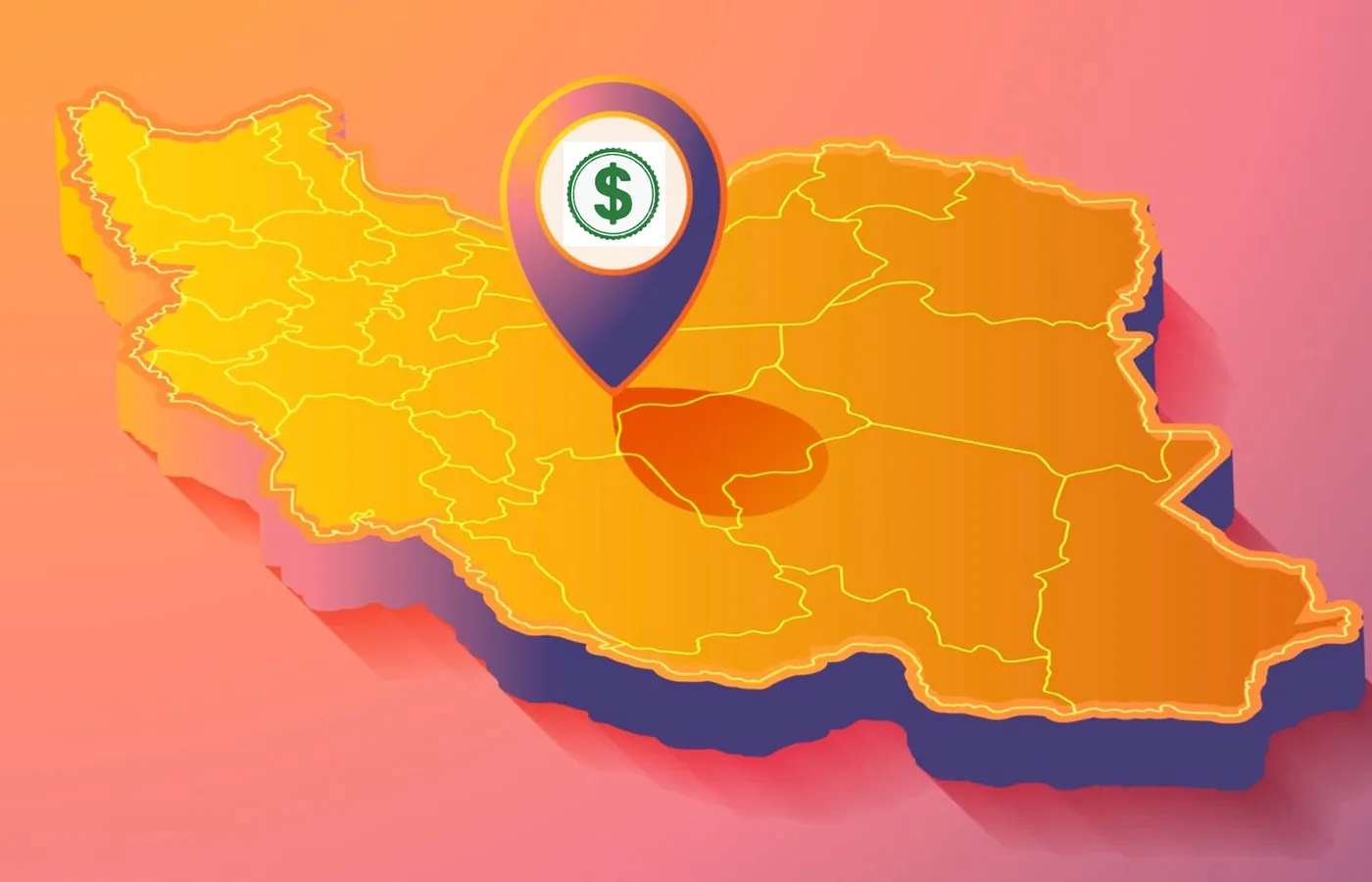
Look no further than what is happening right now with the conclusion of the 100-day war with Iran. This Friday, June 19th, a historic memorandum of understanding is set to be formally signed at the Bürgenstock Resort in Switzerland.
If you read the official headlines, the conversation is dominated by traditional geopolitical variables: a permanent cessation of hostilities, the lifting of naval blockades, and ensuring the Strait of Hormuz remains permanently toll-free. But if you look beneath the surface at the structural reality, this war -and the resulting treaty- was fundamentally about financial architecture.
For months, an isolated Iran attempted to operate completely outside the Western financial grid, surviving through shadow networks, local bartering, and alignment with Beijing's parallel systems. By initiating an overwhelming naval blockade and choking off key energy corridors, the United States effectively demonstrated a brutal reality: the economic cost of operating entirely outside the primary dollar infrastructure is too high for any single nation to sustain long-term.
The impending June 19th treaty isn't just a ceasefire; it is a forced integration. By agreeing to a framework that involves the structured release of frozen assets and a pathway back to global oil markets, Iran is essentially accepting the terms of the Western financial grid. To rebuild, their central bank must plug back into the compliance tracking and clearing standards dictated by the West.
The Takeaway
When Mehmed II restricted the Bosporus, he believed he was securing permanent leverage over Western wealth. He couldn't foresee that his restrictions would force a total structural pivot, rendering the old Silk Road secondary.
The United States faces a similar temptation with its modern tariff policies and aggressive use of financial sanctions. But as the upcoming Swiss treaty demonstrates, the dollar's network effect is a gravity well. Foreign adversaries can draft all the alternative digital blueprints they want, but when it comes time to prevent domestic economic collapse, access to primary dollar liquidity remains the only game in town.
The architecture of global leverage isn't changing; it's just migrating to the digital space. And for now, the house still wins.